
Exploring visual language.
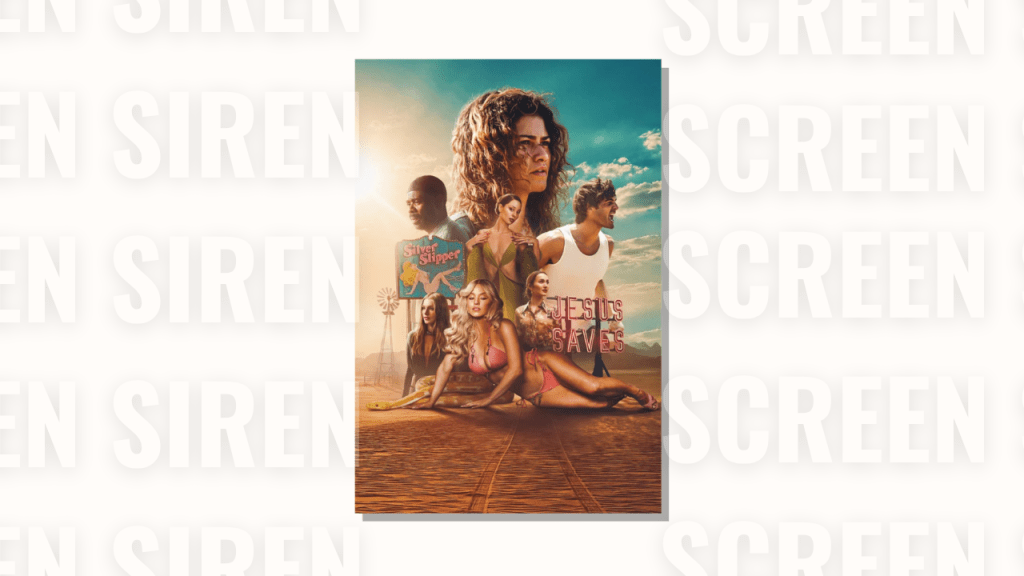
Euphoria Feels Like A Parody of Modern Society
A deep dive into why Euphoria feels so different this season and why I think audiences are misunderstanding the shift. From the loss of fantasy-driven filmmaking to conversations surrounding internet culture, performance femininity, infantilization aesthetics, OnlyFans culture, validation, and identity collapse, this is less of a show review and more of a discussion about what happens when people build themselves around attention, desirability, and performance — and what’s left when the fantasy finally starts falling apart.

Trends Thats Personally Offend Me
Trends have shifted from being a source of inspiration to something people are using to define their entire identity, and it’s becoming hard to ignore. From the oversaturation of recycled, fake Y2K streetwear to the rise of overly cutesy, self-infantilizing aesthetics, fashion is starting to feel repetitive instead of expressive. Even conversations around what’s “appropriate,” like the backlash toward North West, reveal how blurred the lines have become because of how adults present themselves. At a certain point, style stops being personal and starts becoming imitation, and that’s where the problem really begins.
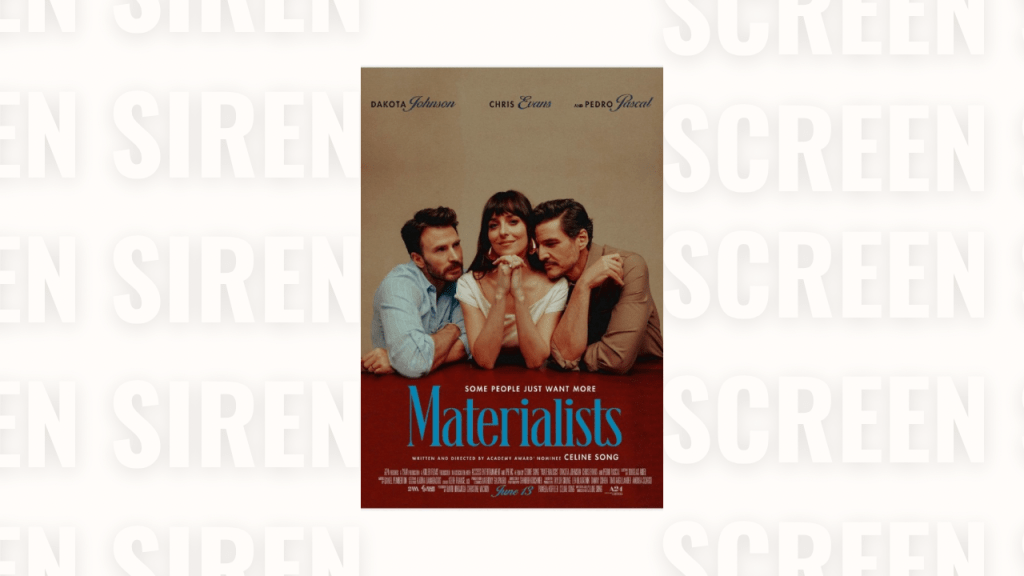
Is this “Broke Boy” Propaganda?
Rather than condemning materialism, this post reframes it as a language people already understand. In Materialists, desire is shaped by visibility, value, and what can be displayed. The film suggests that what we call “love” may just be preference filtered through social conditioning. It forces the question of whether authenticity exists, or if everything is a performance.
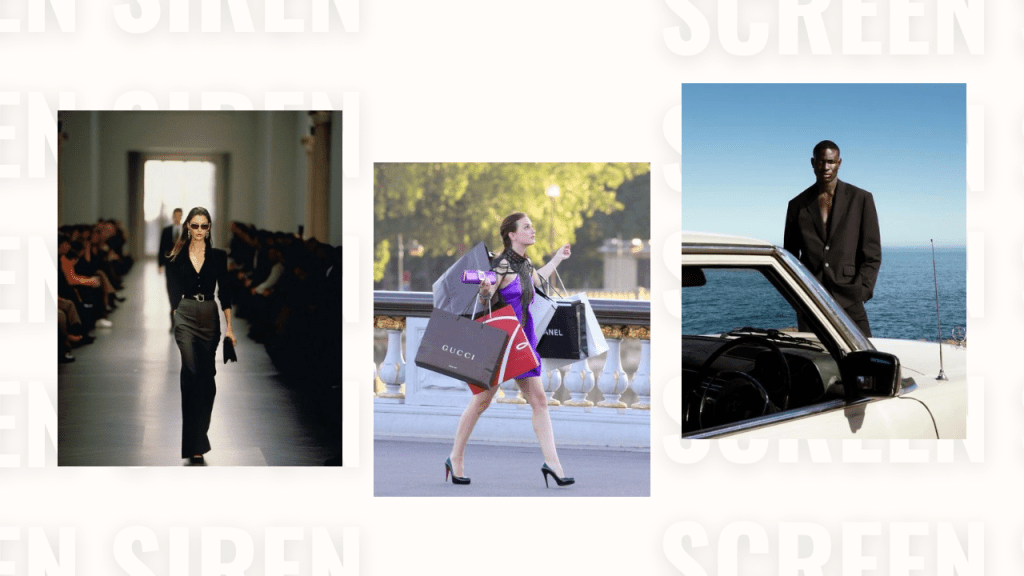
Expensive Taste without Expensive Mistakes
Expensive taste isn’t about how much you spend, it’s about how well you choose. This post explores the difference between luxury and excess, focusing on intention, restraint, and visual consistency. Looking expensive comes from understanding what works, not just buying what’s popular. In the end, it’s about perception as much as it is about reality.
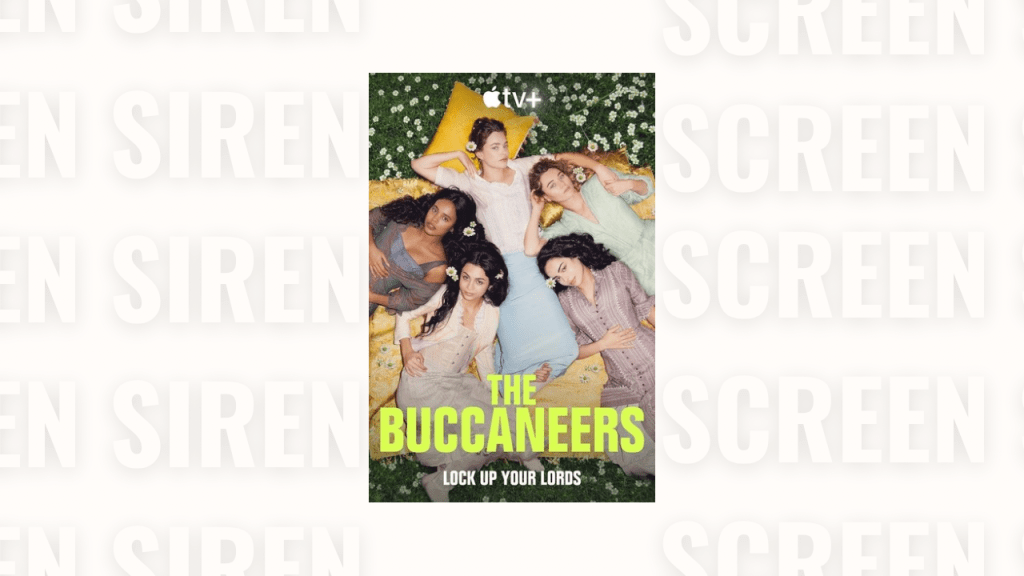
Is this “Broke Boy” Propaganda?
If Bridgerton sells romance as spectacle, The Buccaneers strips it down to something more calculated. It’s less polished and less interested in fantasy, which makes the dynamics feel more direct and, at times, more honest. Where Bridgerton leans into desire and escapism, The Buccaneers stays closer to status, access, and what relationships actually secure. If you like Bridgerton, this feels like the version that questions it a little more.
 Screen Siren